The Hubbard Family Story

From County Cork to the USA
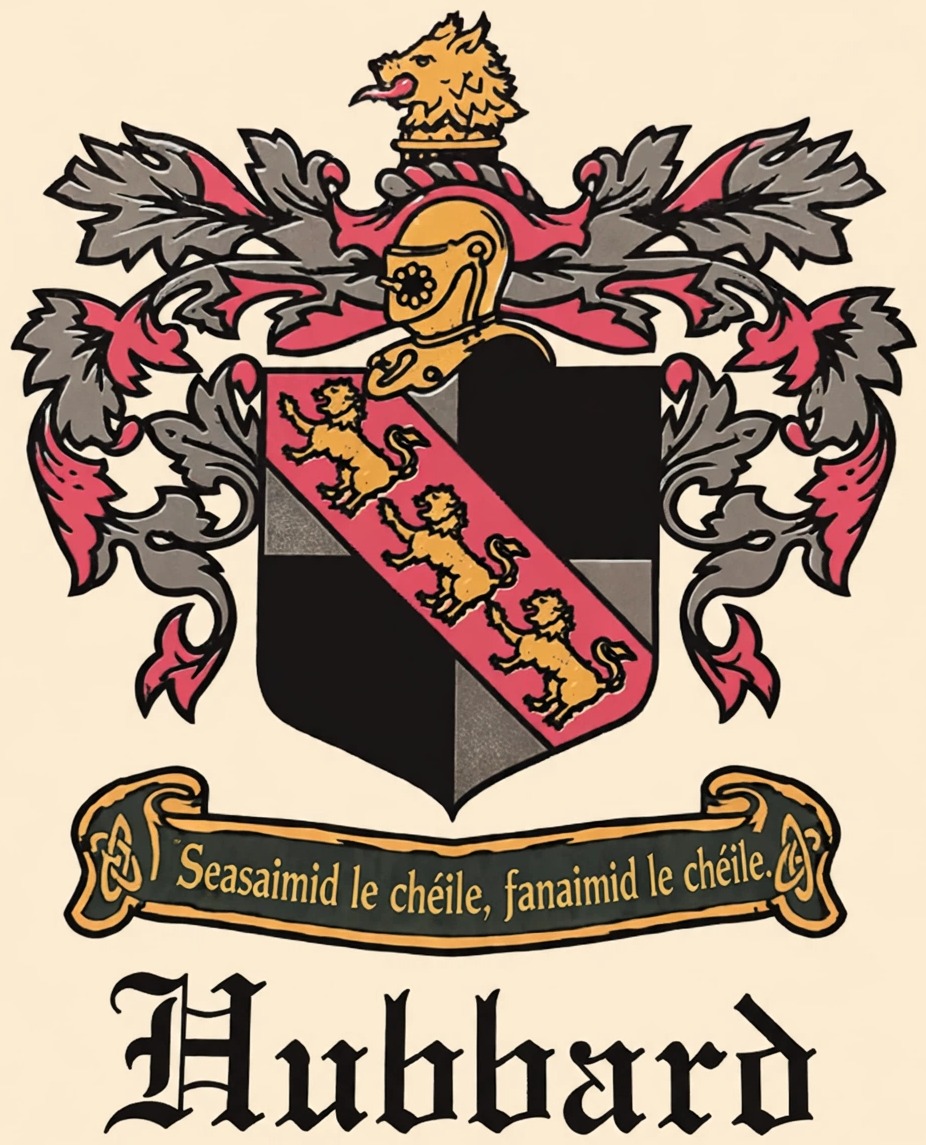
The Hubbard family crest: a boar's head above a quarterly shield with a red bend and three gold lions
Seasaimid le chéile, fanaimid le chéile
“We stand together, we stay together.”

These are the stories of our family, gathered the way families have always gathered them — told and retold around the kitchen tables of this family, especially at Grandma Nell Hubbard's table, where so many of them were first heard. Some came down to us in photographs and documents, but most of them lived first as stories, told by people who were there, or who heard them from people who were. We built this table to set them all down in one place, before they could be lost — and to leave a seat at it for everyone who comes after us.

How We Got Here

In the middle of the nineteenth century, a young man named John Hobert left County Cork, Ireland, and crossed the Atlantic to America. He settled in St. Louis, married Bridget Culliton, and raised his family at 137 Convent Street — and somewhere along the way, in the mouths of census-takers and clerks, Hobert became Hubbard. Every Hubbard on this site descends from that crossing. This is their story — told person by person, picture by picture, record by record, the way it was once told around Grandma Nell Hubbard's kitchen table.

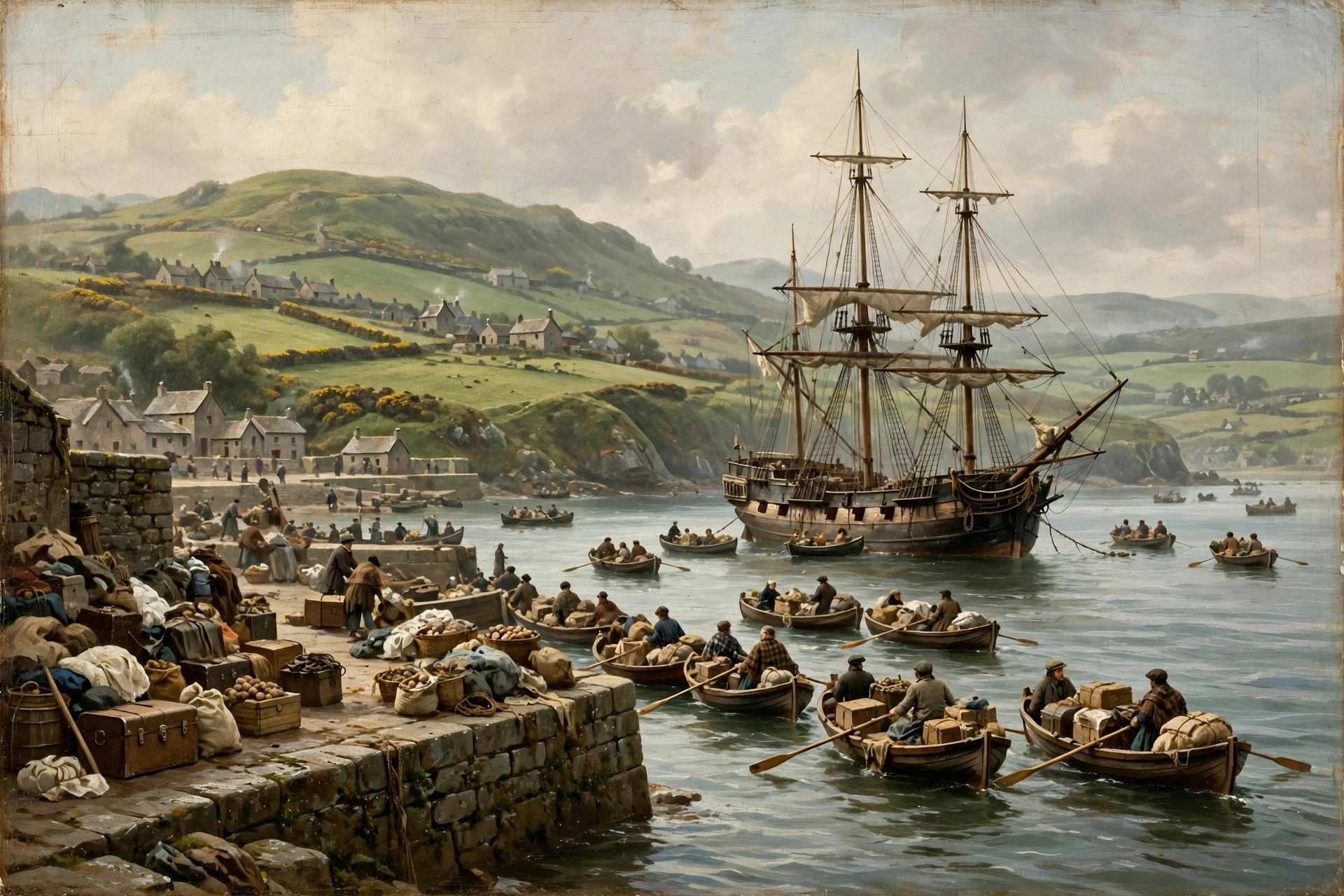
Emigrants leaving an Irish harbour by boat, about 1850 — an artist's scene
Ireland, about 1850. Leaving Cork — the crossing that started everything. (An artist's scene.)
St. Louis, the levee. The riverfront John Hobert came to — alive again.

The stories are the heart of this place, and they stay. The Family Tree tab is the map that ties them together — follow it down from John, or search for a name and go straight to them.

The Name & the Crest

Hubbard, Hobart, Hobert — the name slid easily between its spellings, sometimes for the same man within his own lifetime, as John's records show.

The crest at the head of this page is the family's own. It was drawn from a crest carried under the old forms of the name — Hubbard, Hobert and Hubert — and the family edited it to make it theirs. The saying beneath it is the family's own as well: Dan Hubbard made it — Seasaimid le chéile, fanaimid le chéile, “We stand together, we stay together” — and the family has taken it as their saying, carried on everything the family makes.

The Story

John Hobert was born in County Cork, Ireland, in 1827. Sometime in the years of the great emigration — when famine and hard times scattered a generation of Irish families across the Atlantic — he made the crossing. No passenger list carrying his name has been found yet, but by the summer of 1860 he was in St. Louis, Missouri, working as a laborer, with his wife Bridget beside him and a young son in the house.
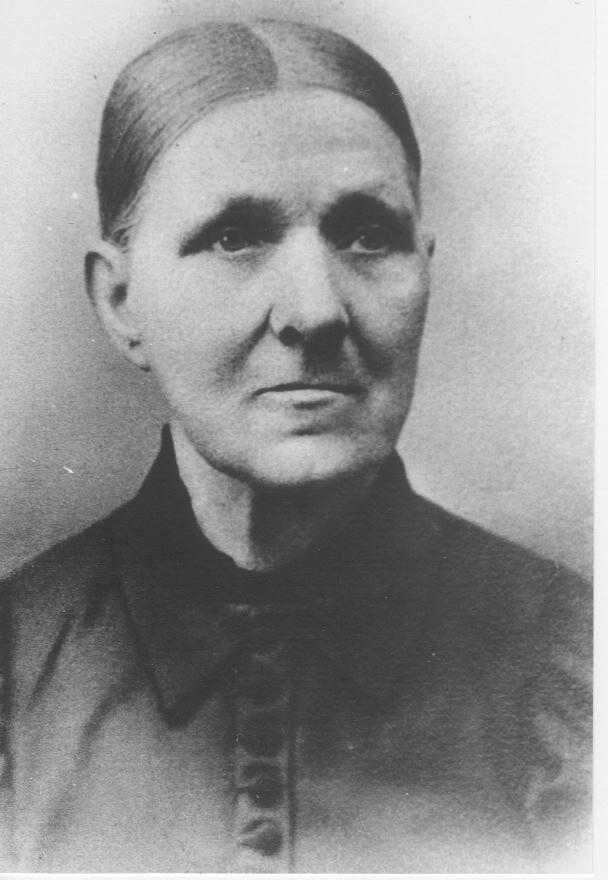
Bridget Culliton HubbardSt. Louis in those years was one of America's great river cities, and its Irish neighborhoods — the Kerry Patch above all — were full of families doing exactly what John and Bridget were doing: starting over with strong backs and a Catholic faith. Every record that names John's occupation across thirty years says the same single word: Laborer. He worked with his hands all his life.
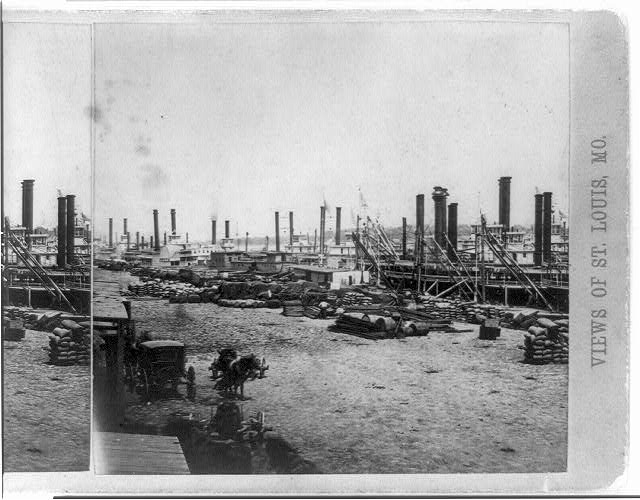
The photograph · 1860 The St. Louis levee in 1860
The St. Louis levee in 1860 — the riverfront John and Bridget came to. (Library of Congress.)
Brought to motion
The same levee, gently alive — smoke on the river, steamboats at the landing.

The family's name tells its own story of that crossing. John's own Bible — the book he kept his name in — is stamped in gold: JOHN HOBERT. But official America wrote down what it heard. The census taker of 1860 wrote Hobart. Those of 1870 and 1880 wrote Hobert. And on the last record of his life, his City of St. Louis burial certificate in 1890, a clerk wrote Hubbard — and Hubbard is the name the family has carried ever since.

John died on January 4, 1890, at 137 Convent Street in St. Louis, and was buried at Calvary Cemetery. Bridget outlived him by more than twenty years. Their son Thomas David raised six children in East St. Louis, and the line runs unbroken from that laborer's house on Convent Street to the whole family today.

↑ Back to the Tree